

Key Takeaways
Dental implants offer a stable, long-lasting alternative to traditional dentures, plus they help preserve bone and enhance overall oral health.
Unlike dentures and bridges, dental implants don’t require any adjustments to surrounding teeth, and with good care, they can last over 15 years.
The process for getting dental implants consists of evaluation, surgery, healing, and finally crown placement, all aimed at ensuring a natural and functional smile.
Those who’ve undergone the procedure know that aftercare is vital. Regular hygiene routines and dental check-ups are essential to maintain an impressive success rate, which exceeds 95%.
In terms of value, dental implants are a worthwhile investment, improving quality of life significantly, even if their initial costs may be higher than other options.
Insurance coverage can differ greatly, often encompassing initial consultations and some of the procedure costs, making it important for patients to check their specific plans.
Numerous patient testimonials reveal the profound difference dental implants make, significantly boosting self-confidence and improving facial appearance after treatment.
Why Choose Dental Implants Over Traditional Dentures?
The Long-Term Benefits of Dental Implants
When evaluating tooth replacement options, the choice typically focuses on dental implants versus traditional dentures. Evidence shows that dental implants not only enhance appearance but also deliver significant long-term health benefits. They integrate with the jawbone, ensuring stability that removable dentures can’t provide. This stability alleviates concerns over slippage during meals or conversations. By securely attaching to the jaw, implants aid in maintaining bone density, which is vital following tooth loss.
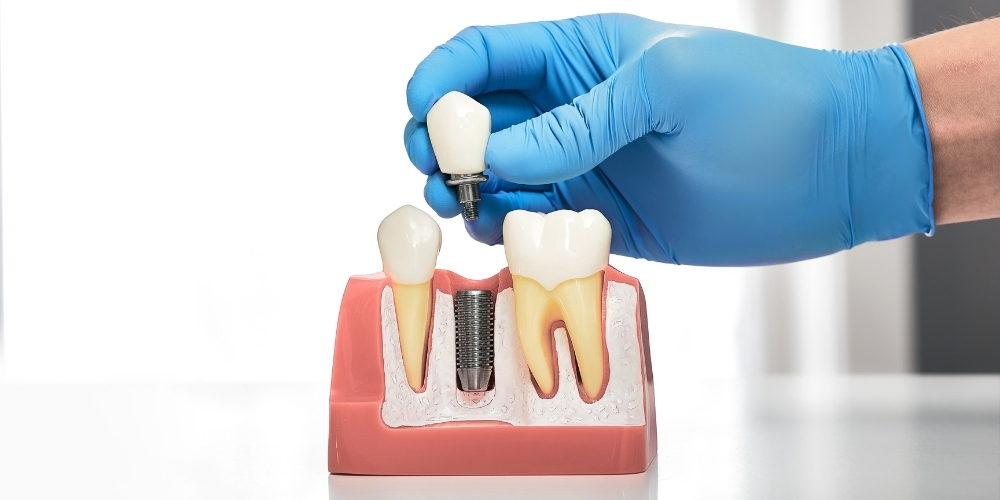
Many denture wearers often grapple with issues like bone loss, leading to discomfort and facial structure changes over time. In contrast, dental implants mimic the natural root of a tooth. This brings several key benefits:
- Improved oral health by preserving bone.
- A durable solution that can last for decades with the right care.
- Enhanced comfort and chewing function.
Choosing dental implants can radically simplify daily life. Imagine the freedom of not fussing with adhesives or worrying about a smile that may lessen with time. This practicality appeals to countless individuals.
How Implants Compare to Other Tooth Replacement Options
While traditional dentures, bridges, and other restorative devices have their roles in dentistry, dental implants shine in their adaptability and longevity. Each option comes with its own set of advantages and disadvantages. Here’s a concise comparison:
- Conventional Dentures: Removable and initially less costly, yet they demand frequent adjustments and replacements.
- Bridges: Require modification of nearby teeth and can last around 10 years, but they don’t address underlying bone loss.
- Dental Implants: These save adjacent teeth from alteration, preserve jawbone health, and generally last more than 15 years with consistent maintenance.
Ultimately, restoring oral health through implants not only helps with function but also maintains the aesthetic qualities many patients find indispensable.
What to Expect During the Dental Implant Process
The Step-by-Step Journey to Your New Smile
The path to achieving a beautiful, functional smile typically starts with a comprehensive assessment. This initial evaluation helps determine whether a patient qualifies for dental implants. Often, panoramic X-rays or 3D imaging assist in planning the next steps.
After this assessment, the journey continues through several essential stages:
- Consultation: Working closely with a dental expert to create a personalized plan.
- Surgical Placement: A titanium post is surgically placed into the jawbone, setting the stage for osseointegration.
- Healing Period: Taking several weeks to months, this phase allows the bone to heal and integrate with the implant.
- Crown Placement: After healing, a customized crown is fitted, completing the natural look.
Familiarity with each step can help alleviate concerns. Many patients feel reassured as they learn how each component aligns to ensure the success of their new smile.
Post-Procedure Care: Ensuring Lasting Results
After implant surgery, diligent care is essential for the best possible outcome. Like natural teeth, implants also require attention, and this commitment is vital for longevity. Dental experts frequently recommend a robust oral hygiene routine along with regular check-ups.
Key practices include:
- Daily brushing and flossing.
- Using antiseptic mouthwash to control bacteria.
- Staying hydrated and avoiding smoking or excessive alcohol consumption.
Research indicates that with proper care, dental implants can achieve a success rate exceeding 95%!
This figure offers patients reassurance, knowing that proactive management can help circumvent future issues.
Understanding the Cost of Dental Implants in Fort Worth
Breaking Down the Investment: Is It Worth It?
Financial factors inevitably arise in discussions about dental implants in Fort Worth. At first glance, the costs may seem intimidating. However, it’s essential to balance these expenses with the long-term benefits. Many patients find that dental implants provide higher value when compared with other treatment options.
Overall expenses typically encompass:
- The surgical procedure and necessary anesthesia.
- The implant itself, generally made of titanium.
- A custom crown and any preparatory work needed, such as bone grafting.
In the grand scheme, financial investment often reflects significant improvements in quality of life. Patients usually acknowledge that considering cosmetic upgrades, functional enhancements, and increased self-esteem reveals clear value.
What Insurance Plans Typically Cover Dental Implants
Dental implant coverage varies significantly among insurance providers. Commonly, policies may cover segments of the procedure, although individual stipulations differ. Understanding these details often requires careful examination.
Typically, insurance plans could cover:
- Initial consultation and imaging services.
- A portion of the implant procedure, depending on specific policy details.
- Follow-up visits to ensure proper healing and functionality.
Patients often find various options available to help mitigate costs. Consulting with insurance representatives is a smart move to clarify which services are covered.
Real Patient Stories: Transformations Through Dental Implants
Before and After: Visual Testimonials of Success
Experiences shared by previous patients truly illustrate the transformative power of dental implants. Documented journeys often reveal smiles that shift from uncertainty to brightness. Those equipped with new implants not only regain function but also rediscover their confidence. Many find joy in sharing visual testimonials, featuring before and after photos that convey stories no words can match.
Such transformations frequently highlight:
- Significant boosts in confidence as patients rediscover their smiles.
- Improvements in facial structure that cosmetic treatments cannot achieve.
- The pleasure of enjoying food without fear of discomfort.
Visual documentation powerfully underscores the effectiveness of the dental implant journey.
Personal Experiences: Why Patients Recommend ARCHPOINT
Among those who have undergone the dental implant experience at ARCHPOINT, many emphasize the welcoming environment and skilled care provided. Often, initial nervousness quickly transforms into overwhelming satisfaction throughout the process.
A prevalent sentiment among patients is the sense of being understood and cared for by the ARCHPOINT team. Through personalized consultations, trust and transparency are established, helping ensure patients feel well-informed and supported along the way.
“I never imagined my smile could feel so natural again. The team at ARCHPOINT made all the difference.”
This kind of patient loyalty speaks volumes about the exceptional quality of service and the results achieved through their expertise.
FAQ
What are the most common reasons for choosing dental implants?
Patients often select dental implants due to their stability and longevity. They closely replicate the functionality of natural teeth while also preserving jawbone health and preventing further deterioration. The ability to eat without discomfort and speak clearly without fear of movement is another significant advantage.
How long can one expect dental implants to last?
With proper maintenance, dental implants have the potential to last over 15 years, often longer. Several factors, such as oral hygiene, regular dental check-ups, and overall health, play considerable roles in their longevity. Many patients feel that this investment pays off in the long run due to their durability.
What is the recovery time following dental implant surgery?
The recovery timeframe post-surgery varies but generally spans several weeks to a few months. This period permits the jawbone to effectively fuse with the titanium post. Most individuals report that this duration is manageable, especially with appropriate aftercare and scheduled follow-ups.
Can dental implants be placed in patients with existing health conditions?
Indeed, numerous patients with specific health conditions can still be viable candidates for dental implants, though a comprehensive evaluation is necessary. Conditions like diabetes or osteoporosis may influence the process, but advancements in dental care have opened doors for many individuals who previously might not have qualified. Consulting with a dental professional can provide clarity on eligibility.
What should patients avoid after getting dental implants?
After surgery, patients typically receive guidance to steer clear of hard or sticky foods that could jeopardize healing. Avoiding smoking and excessive alcohol is critical since these habits can impede recovery. Adhering to specific care instructions provided by dental professionals leads to better outcomes.
How do patients know if they are good candidates for dental implants?
Undergoing an initial consultation and careful examination is essential to assess candidacy for dental implants. Factors like bone density and overall oral health are key considerations. Imaging techniques, such as 3D scans, often play a pivotal role in determining whether dental implants are a feasible option.
Are there alternatives to dental implants worth considering?
While dental implants are a highly effective solution, alternatives like traditional dentures and bridges also exist. Each has its own pros and cons, and some individuals might lean toward options based on their comfort level, budget, or specific dental needs.
How do dental implants affect overall oral health?
Dental implants significantly contribute to overall oral health by preventing bone loss associated with missing teeth. They also restore proper chewing function and aid in maintaining facial structure. Following the procedure, many patients notice noticeable improvements in oral hygiene and health, providing lasting benefits.
Useful Resources
- American Dental Association (ADA)
- American Association of Oral and Maxillofacial Surgeons (AAOMS)
- American Academy of Cosmetic Dentistry (AACD)
- Dental Implants Organization (DIO)
- National Center for Biotechnology Information (NCBI)
- MouthHealthy – A site by the ADA for patients
- Centers for Disease Control and Prevention (CDC) – Oral Health
- Dentistry Today
- WebMD – Oral Health
Comments are closed.