
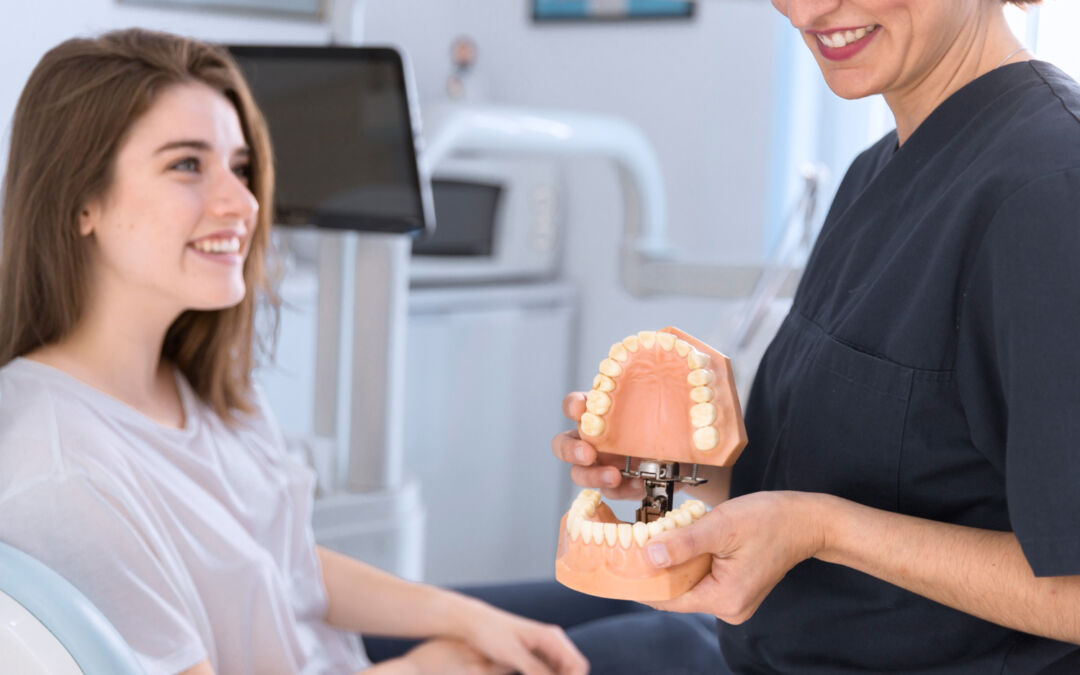

Dentures are an effective solution for individuals who have lost some or all of their natural teeth. They restore function, improve appearance, and boost confidence, allowing people to eat, speak, and smile comfortably. However, choosing the right dentures Gold Coast can feel overwhelming, with various types, materials, and fitting options available. Understanding the differences and what to consider when selecting dentures can help you make an informed decision that suits your lifestyle and oral health needs.
Understanding Dentures
What Are Dentures?
Dentures are removable dental appliances designed to replace missing teeth and the surrounding gum tissue. They help restore your bite, support facial muscles, and improve speech and eating ability. Dentures can be full or partial, depending on how many teeth need replacement, and can be made from a variety of materials to suit comfort, aesthetics, and durability.
Who Needs Dentures?
Dentures are typically recommended for individuals who have lost teeth due to age, decay, gum disease, or injury. They are a common solution for seniors but can also be appropriate for younger adults who have experienced significant tooth loss. Dentures help prevent the remaining teeth from shifting, reduce the risk of jawbone deterioration, and restore the natural shape of the face.
Types of Dentures
Full Dentures
Full dentures, sometimes called complete dentures, replace all teeth in either the upper or lower jaw. They are custom-made to fit the mouth comfortably and securely, restoring both function and appearance. Full dentures are typically made after the removal of remaining teeth, with an adjustment period required to get used to wearing them.
Partial Dentures
Partial dentures are used when some natural teeth remain. They fill the gaps between existing teeth, preventing shifting and maintaining bite alignment. Partial dentures often attach to surrounding teeth using clasps or precision attachments, providing stability while remaining removable for cleaning.
Immediate Dentures
Immediate dentures are fitted immediately after tooth extraction. They provide instant replacement, protecting the gums and helping you maintain normal eating and speaking functions while your mouth heals. However, because gums and bones change shape during the healing process, immediate dentures often require adjustments or replacement within a few months.
Implant-Supported Dentures
Implant-supported dentures are anchored to dental implants surgically placed in the jawbone. They offer greater stability than traditional dentures and reduce the risk of slipping or discomfort while eating or speaking. This type of denture also helps maintain jawbone integrity, preventing the bone loss that can occur with conventional dentures.
Materials Used in Dentures
Acrylic Dentures
Acrylic is a popular material for denture bases due to its lightweight, comfort, and affordability. Acrylic dentures are easy to adjust and repair, making them suitable for most patients. They also allow for realistic gum colouring and natural-looking teeth.
Porcelain Dentures
Porcelain teeth are strong, durable, and stain-resistant, offering a lifelike appearance. They feel more natural when chewing but may be heavier than acrylic and require careful handling to avoid chipping.
Flexible Dentures
Flexible dentures are made from thermoplastic materials, offering a more comfortable fit for patients with sensitive gums. They are lightweight, less prone to breakage, and provide a snug fit that adapts to the shape of your mouth.
Factors to Consider When Choosing Dentures
Comfort and Fit
A well-fitting denture should feel secure without causing soreness, irritation, or pressure points. Your dentist or prosthodontist will take precise impressions of your mouth to create a custom fit. Regular adjustments may be necessary, especially during the first few months of wear.
Functionality
Consider how the dentures will affect eating and speaking. Some materials and designs provide better chewing efficiency and allow clearer speech. Implant-supported or precision-fitted dentures offer the most stability for active lifestyles.
Appearance
Dentures should complement your natural facial features and provide a natural-looking smile. Factors such as tooth shape, size, colour, and gum shading can be customised to ensure your dentures enhance your appearance and confidence.
Durability and Maintenance
Different materials require varying levels of care and maintenance. Acrylic dentures are easy to clean but may wear faster, while porcelain teeth are more durable but require gentle handling. Regular dental check-ups help ensure dentures remain in good condition and continue to fit properly.
Cost
Dentures vary in price depending on materials, design, and the type of denture chosen. Full dentures generally cost more than partials, and implant-supported options are the most expensive due to surgical and prosthetic components. Consider your budget alongside long-term durability and comfort.
Caring for Your Dentures
Daily Cleaning
Clean dentures daily using a soft brush and mild denture cleaner. Avoid toothpaste, which can be abrasive, and always rinse them thoroughly before placing them back in your mouth. Keeping dentures clean prevents stains, odours, and bacterial buildup.
Overnight Soaking
Soak dentures overnight in a suitable denture solution to maintain moisture and shape. This also helps prevent warping and bacterial growth while giving your gums a rest from wearing the appliance.
Regular Dental Check-Ups
Schedule regular visits with your dentist to monitor oral health, adjust dentures if necessary, and check for any signs of gum irritation or damage. Professional advice ensures your dentures remain comfortable and effective for daily use.
Handling with Care
Handle dentures carefully when cleaning or removing them to prevent accidental drops or damage. Keep them in a safe, clean container when not in use, and avoid exposing them to extreme heat, which can warp the material.
Adjusting to Dentures
Adapting to new dentures may take time. Initially, you may experience increased saliva production, slight speech changes, or mild gum soreness. Gradual practice with eating soft foods, speaking slowly, and performing oral exercises helps improve comfort and function. Patience and persistence are key to achieving a natural and confident experience with dentures.
Conclusion
Choosing the right dentures is a personal and important decision that affects comfort, appearance, and oral health. By understanding the types of dentures available—full, partial, immediate, or implant-supported—along with materials like acrylic, porcelain, and flexible options, you can make an informed choice that fits your lifestyle and budget. Factors such as comfort, fit, durability, functionality, and aesthetics should all be considered when selecting dentures.
Proper care and regular dental check-ups are essential to maintaining dentures and ensuring they continue to provide a natural-looking smile and reliable performance. With the right dentures, you can enjoy improved eating, speaking, and confidence, making daily life easier and more enjoyable. Consulting a trusted dental professional helps guide you through the process, ensuring your dentures meet your specific needs and provide long-term satisfaction.
Comments are closed.