
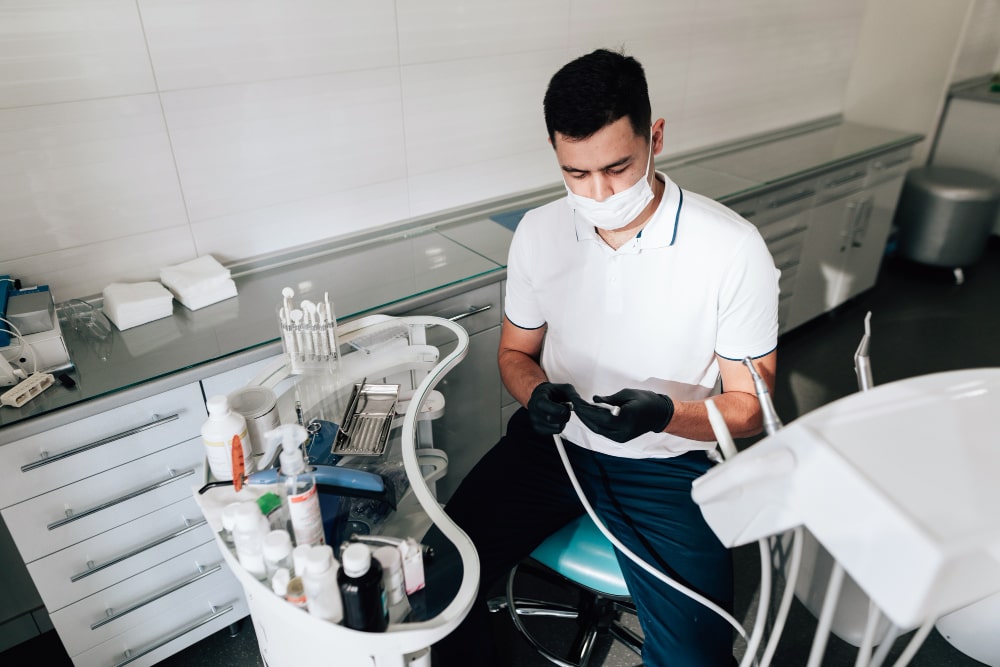

Maintaining strict hygiene standards is a cornerstone of modern dentistry. Among the most critical tools in a dental practice are dental handpieces, which are used frequently during procedures and come into direct contact with patients’ oral tissues. Proper sterilisation of these instruments is essential to prevent cross-contamination, protect patient safety, and comply with regulatory standards.
This guide provides dentists and dental staff with comprehensive advice on how to sterilise dental handpieces correctly, the types of sterilisation methods available, and best practices for maintaining longevity and performance of these valuable tools. Understanding these procedures is particularly important in busy practices, where multiple handpieces are used daily and rapid turnaround is required without compromising safety.
Why Sterilising Dental Handpieces Is Crucial
Dental handpieces are used in a variety of procedures, from routine cleanings to restorative work. Because they often encounter saliva, blood, and other biological materials, they can harbour harmful microorganisms if not properly cleaned and sterilised.
Failing to sterilise handpieces properly can result in:
- Cross-contamination between patients
- Spread of bacteria, viruses, and fungi
- Non-compliance with infection control regulations
- Potential legal or reputational risks for the practice
Proper sterilisation is also vital for preventing instrument degradation, as accumulated biological material can cause corrosion or damage if not removed. Following strict sterilisation protocols ensures that dental instruments are safe, reliable, and ready for each patient, helping maintain trust in your dental practice.
Types of Dental Handpieces and Sterilisation Requirements
Dental handpieces come in several forms, including high-speed, low-speed, and air-driven models. Each type has specific cleaning and sterilisation requirements, but all require careful attention to avoid damaging internal components.
- High-speed handpieces: Often require more rigorous cleaning due to higher rotational speeds and more extensive use of water and air. They also generate more heat, which can lead to debris accumulation internally.
- Low-speed handpieces: May accumulate more debris internally and need thorough lubrication after sterilisation.
- Air-driven handpieces: Require purging of air and water lines before sterilisation to prevent internal corrosion.
Consulting the manufacturer’s instructions is critical, as each model may have unique maintenance and sterilisation guidelines. Ignoring these can lead to premature wear, reduced efficiency, and potentially costly repairs.
Step-by-Step Sterilisation Process
Proper sterilisation involves several stages, each of which is crucial to ensuring handpieces are free from contaminants without damaging sensitive components.
1. Pre-Cleaning
Before sterilisation, handpieces should be cleaned to remove visible debris. This can involve:
- Wiping down external surfaces with a disinfectant
- Flushing internal water and air lines to remove residue
- Using brushes or specialised cleaning tools to remove debris from small openings
Pre-cleaning reduces the microbial load and prevents organic matter from interfering with the sterilisation process. It also helps to maintain the internal mechanics, preventing blockages or damage during sterilisation.
2. Lubrication
Many handpieces require lubrication before or after sterilisation to maintain smooth operation. Proper lubrication prevents internal components from seizing due to heat exposure during sterilisation and extends the lifespan of the instrument. Always follow manufacturer instructions regarding the type and amount of lubricant. Using the wrong lubricant or over-lubricating can cause malfunctions or shorten the lifespan of your handpieces.
3. Sterilisation Methods
There are several methods approved for sterilising dental handpieces:
- Autoclaving: The most common method, which uses high-pressure steam to sterilise instruments. Ensure handpieces are autoclavable and follow the recommended temperature and cycle duration.
- Chemical vapour sterilisation: Uses chemicals such as formaldehyde under heat and pressure. This method is less common but effective for heat-sensitive instruments.
- Dry heat sterilisation: Involves high temperatures without moisture and is suitable for instruments that may be damaged by steam.
Autoclaving remains the most widely used and reliable method in dental practices across Australia. Regularly validating your autoclave’s performance ensures consistent sterilisation results and compliance with regulations.
4. Drying and Storage
After sterilisation, handpieces must be properly dried and stored in a sterile environment to prevent recontamination. Storage solutions can include sealed pouches, sterilisation cassettes, or dedicated drawers, ensuring instruments remain ready for immediate use. Maintaining a clean storage area, away from dust and humidity, further extends instrument lifespan and ensures patient safety.
Best Practices for Maintaining Handpiece Sterility
Maintaining sterility goes beyond the sterilisation process itself. Best practices include:
- Regular inspection for wear or damage before and after sterilisation
- Consistent cleaning of external surfaces between patients
- Adhering strictly to manufacturer maintenance schedules
- Keeping detailed logs of sterilisation cycles for compliance and quality assurance
In addition, training staff regularly on correct handling and sterilisation procedures ensures consistency across the practice. Adopting these best practices reduces downtime, prevents costly repairs, and maintains high standards of patient care.
Common Mistakes to Avoid
Even experienced dental teams can make errors in handpiece sterilisation. Common mistakes include:
- Skipping pre-cleaning steps, leaving debris that reduces sterilisation efficacy
- Overheating or over-lubricating, which can damage internal components
- Using non-autoclavable handpieces in high-temperature sterilisation cycles
- Inconsistent record-keeping, risking regulatory non-compliance
Avoiding these mistakes protects both patients and the investment in high-quality handpieces. Regular audits of sterilisation practices can help identify areas for improvement and ensure ongoing compliance.
Regulatory and Compliance Considerations
In Australia, dental practices must follow strict infection control guidelines as outlined by the Australian Dental Association (ADA) and local health authorities. Proper sterilisation of handpieces is a core requirement under these guidelines.
Maintaining records of sterilisation cycles, routine maintenance, and staff training helps ensure compliance during audits and inspections. Adhering to regulations not only safeguards patients but also enhances the credibility and reputation of your dental practice. Practices that consistently demonstrate compliance with ADA standards are more likely to retain patient trust and attract new clients.
Final Thoughts
Sterilising dental handpieces is a critical aspect of infection control in modern dentistry. By understanding the correct cleaning, lubrication, and sterilisation procedures, dentists and their teams can prevent cross-contamination, extend the life of instruments, and comply with regulatory standards.
A systematic approach—incorporating pre-cleaning, appropriate sterilisation methods, drying, and careful storage—ensures that every handpiece is safe and ready for use. Avoiding common mistakes and following manufacturer guidelines further protects both patients and your investment in high-quality dental tools.
For dental practices in Australia, maintaining rigorous sterilisation protocols is not just a legal obligation—it is a cornerstone of patient trust, safety, and professional excellence. Investing time in proper handpiece care also reduces long-term costs, improves operational efficiency, and ensures that every patient receives treatment with instruments that are both clean and in optimal working condition.
Comments are closed.