
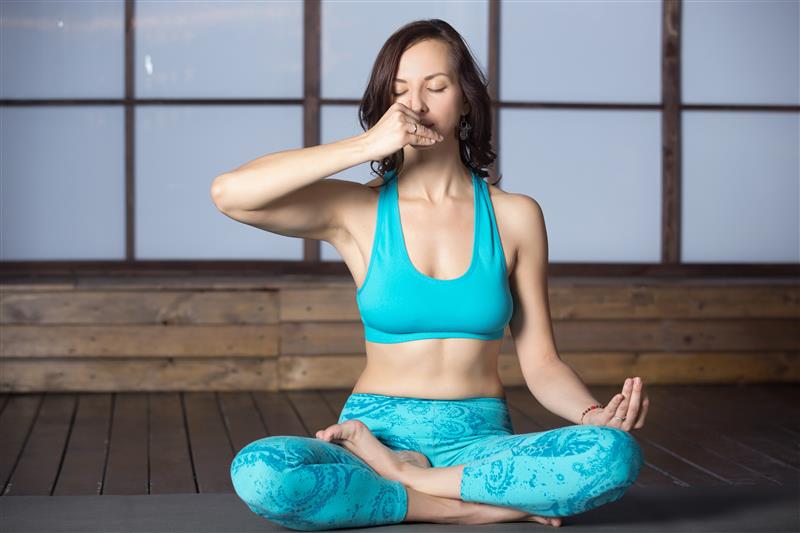
Yogalates and Breathwork Synergy: Unlocking Respiratory Health in Singapore’s Urban Environment

Understanding the Connection Between Breath and Movement
Breathing is more than just a biological function. It is a tool for energy regulation, focus, and healing. In an urban setting like Singapore where air quality, stress, and sedentary routines affect overall health, learning to breathe correctly becomes essential. Yogalates, a blend of yoga and Pilates, integrates mindful breathing with precise body movements to enhance lung capacity, circulation, and vitality. Many individuals exploring yogalates singapore discover that proper breathwork does not just support exercise performance but also contributes to long-term respiratory wellness.
The Impact of Urban Living on Respiratory Health
Singapore’s modern lifestyle comes with unique challenges. Long hours in air-conditioned offices, high humidity, and occasional haze can strain respiratory health. Poor posture from desk work compresses the diaphragm, restricting natural breathing patterns. These factors can lead to shallow breathing, fatigue, and even increased susceptibility to respiratory infections. Yogalates, with its focus on alignment and conscious inhalation and exhalation, helps counter these effects by re-training the body to breathe deeply and efficiently.
How Yogalates Enhances Lung Capacity
In Yogalates, breathwork is synchronised with physical movements. This connection allows practitioners to strengthen their diaphragm and intercostal muscles, both crucial for optimal lung function. Controlled breathing also increases oxygen intake, improving endurance during exercise and daily activities. Over time, participants notice that they can climb stairs, walk longer distances, or perform high-intensity tasks with less breathlessness. This is particularly beneficial for those who struggle with shortness of breath or poor stamina in busy city life.
Benefits of Breath-Centred Training
-
Improved oxygen flow: Deep breathing delivers more oxygen to muscles and organs.
-
Stronger respiratory muscles: Movements train the chest and core to support lung expansion.
-
Better posture for breathing: Alignment ensures the lungs can fully expand without restriction.
-
Lower stress levels: Slow breathing activates the parasympathetic nervous system, easing tension.
Yogalates and Pollution-Related Concerns
Air quality fluctuations can impact respiratory health in Singapore. Pollutants and allergens may irritate the lungs, leading to inflammation or sensitivity. Yogalates provides a natural form of protection by encouraging better lung filtration through improved breathing patterns. Deep inhalation stimulates the cilia in the respiratory tract, which helps in clearing particles more effectively. Additionally, mindful breathing strengthens the immune system, reducing the frequency of colds and respiratory discomforts caused by environmental factors.
Breathwork as Stress Management
Respiratory health is not only about lung capacity but also about how stress impacts breathing. Many professionals unconsciously adopt shallow breathing when under pressure, which limits oxygen flow to the brain and muscles. Yogalates introduces techniques such as diaphragmatic breathing and rhythmic breath control that help calm the nervous system. These techniques support clearer thinking, lower anxiety, and enhanced energy balance, making them highly relevant in Singapore’s demanding work culture.
Practical Breathing Techniques in Yogalates
Yogalates incorporates specific methods that can be applied both in class and daily life.
The Pilates Breath
This technique involves inhaling through the nose to expand the ribcage laterally and exhaling through the mouth to engage the abdominal muscles. It strengthens the core while encouraging full oxygen exchange.
Diaphragmatic Breathing
Here, the breath is directed into the belly rather than the chest, training the diaphragm for efficient expansion. It reduces tension and supports a calm mental state.
Rhythmic Flow Breathing
Movements are timed with inhalations and exhalations, creating a meditative rhythm. This builds endurance and helps practitioners remain present during both exercise and stressful daily tasks.
Postural Alignment and Respiratory Freedom
Poor posture, particularly rounded shoulders and a slouched spine, compresses the lungs and diaphragm. Yogalates emphasises spinal alignment and chest expansion, which opens up the ribcage for unobstructed breathing. Over time, practitioners naturally maintain an upright stance, even outside class. This posture not only improves breathing but also projects confidence and vitality in personal and professional environments.
Yogalates for Specific Respiratory Conditions
While not a medical treatment, Yogalates can provide complementary support for those managing conditions such as mild asthma, bronchitis, or frequent sinus congestion. By strengthening the respiratory system and teaching controlled breathing, individuals experience fewer flare-ups and better symptom control. For example, asthma patients often find that slow, measured exhalations during Yogalates help reduce the feeling of breathlessness. Always, however, practice should be adapted to individual needs and undertaken with professional guidance.
Integrating Yogalates into Singaporean Lifestyle
Respiratory health is deeply connected to daily choices. In Singapore, where work culture often leads to long sedentary hours, incorporating Yogalates into weekly routines offers a balance between fitness and recovery. Classes are designed to be accessible for different levels of ability, making them suitable for beginners, seniors, or athletes seeking cross-training benefits. For those with tight schedules, shorter practice sessions can be incorporated at home, combining simple stretches with mindful breathwork. Studios like Yoga Edition provide a supportive environment where individuals can learn these techniques under proper guidance.
FAQs on Yogalates and Respiratory Health
Can Yogalates help with shallow breathing caused by stress?
Yes, the controlled breathing techniques taught in Yogalates retrain the body to breathe more deeply. This not only improves oxygen intake but also helps calm the nervous system, reducing stress-induced shallow breathing.
Is Yogalates suitable for people with mild asthma?
Many individuals with asthma benefit from Yogalates because of its focus on breath control and lung capacity. It is advisable to inform the instructor about the condition so modifications can be made when needed.
How many sessions per week are ideal for respiratory improvement?
Attending two to three Yogalates classes weekly is generally effective for noticeable respiratory benefits. However, even practicing short breathing drills at home daily can make a difference.
Does practising in an air-conditioned environment reduce the benefits?
Not necessarily. While natural ventilation is ideal, air-conditioned spaces do not limit the effectiveness of breathwork. What matters more is posture, technique, and consistency.
Can children or elderly people benefit from Yogalates breathing methods?
Yes. Children can develop stronger lungs and focus through mindful breathing, while seniors gain support for mobility and respiratory function. Both groups can practice Yogalates safely with suitable modifications.
Comments are closed.