
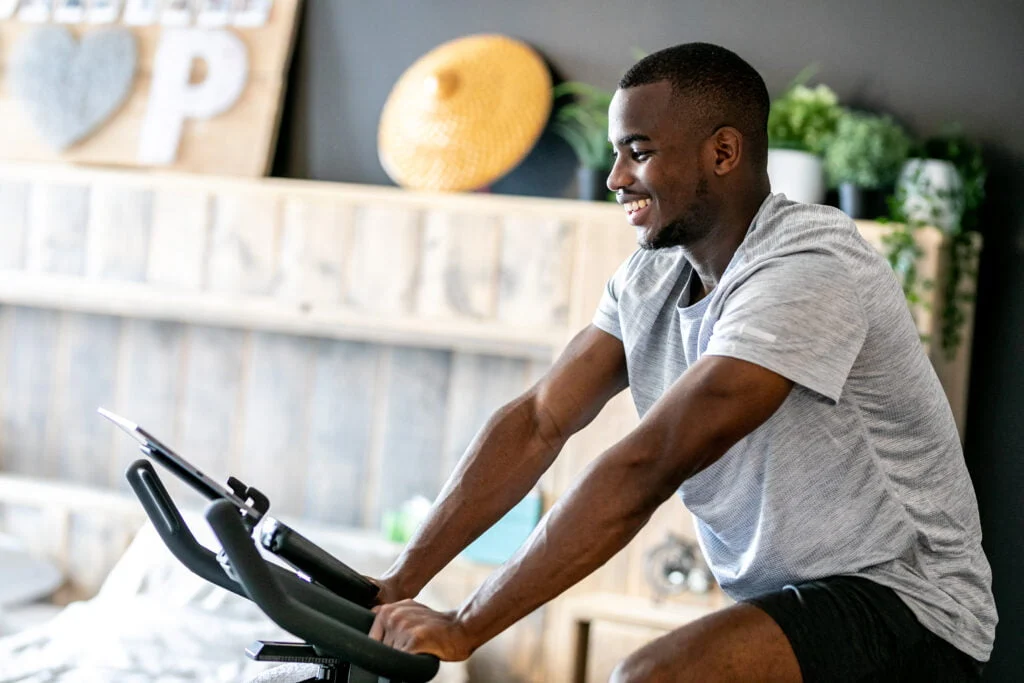

Singapore is a city built for public transport and walking. Between MRT rides, long escalators, and stair climbs, commuters often clock thousands of steps daily without even realising it. While these movements seem routine, they can leave many people fatigued, particularly after full workdays. Structured training, especially through indoor cycling Singapore, provides a way to prepare the body for the physical demands of daily commuting. By targeting stamina, strength, and balance, spin sessions help transform exhausting journeys into effortless habits.
Why Commuting Can Feel So Tiring
Travelling to and from work may not seem like exercise, but it challenges multiple physical systems. Carrying bags, walking between stations, and standing on crowded trains all add to daily energy expenditure. Common reasons why commuting drains energy include:
-
Weak cardiovascular base: Limited stamina makes even light exertion feel harder.
-
Poor leg endurance: Muscles fatigue quickly during stair climbing or long walks.
-
Core instability: Struggles to balance on moving trains or buses.
-
Sedentary lifestyle: Sitting all day magnifies fatigue when movement is required.
By building stronger aerobic conditioning and muscular endurance, commuters reduce fatigue and arrive fresher at both work and home.
How Indoor Cycling Supports Commuters
Spin training directly translates into real-life commuting benefits because of its structure and focus on endurance.
-
Aerobic fitness: Improves stamina for long MRT connections or walking-heavy commutes.
-
Leg strength: Builds power for stair climbs and carrying loads.
-
Core activation: Strengthens muscles needed for balance and posture on moving vehicles.
-
Efficiency: Sessions simulate extended movement without requiring outdoor cycling.
The repetitive pedalling motion mirrors walking but at higher resistance, making it highly transferable to commuting demands.
Stamina for Long Commutes
Long commutes often combine walking, standing, and waiting. Indoor cycling builds the endurance needed for these continuous low-intensity movements. Key approaches:
-
Steady state rides: 45–60 minutes at moderate effort develop aerobic capacity.
-
High cadence drills: Improve circulation and efficiency, reducing fatigue during long MRT connections.
-
Tempo training: Teaches the body to sustain moderate exertion without dips in energy.
Riders who integrate these sessions notice daily travel feels less draining, especially when combined with proper hydration and nutrition.
Strength for Stair Climbs and Loads
Carrying bags or walking up multiple escalators places additional demand on legs. Spin classes simulate these challenges effectively.
-
Seated climbs: Build muscular endurance in the quadriceps and glutes.
-
Standing climbs: Replicate the effort of stair climbing under load.
-
Progressive resistance: Gradually trains muscles to handle everyday carrying tasks.
By conditioning the body for repeated climbs, commuters find it easier to tackle station stairways or overhead bridges.
Balance and Stability in Motion
Crowded MRT carriages and buses require constant micro-adjustments to maintain balance. A strong core helps reduce wobbling and fatigue. During indoor cycling:
-
Riders engage abdominal muscles to stabilise their torso.
-
Off-saddle intervals strengthen balance under dynamic conditions.
-
Focus on posture improves confidence in crowded spaces.
This type of training not only supports commuting but also prevents falls and reduces back discomfort.
Mental Endurance for Routine Travel
Commuting is as much a mental task as a physical one. The monotony of daily travel, coupled with fatigue, often leads to stress. Spin classes, with their music-driven format and structured intensity, cultivate mental resilience. Riders learn to:
-
Push through perceived fatigue
-
Break tasks into manageable intervals
-
Maintain focus under stress
-
Build positive associations with effort
This mental conditioning makes long or crowded commutes less frustrating.
Practical Weekly Training Plan for Commuters
To target commute readiness, a balanced indoor cycling plan might look like this:
-
Day 1: 40-minute endurance ride for stamina
-
Day 2: Strength training off-bike for posture and bag carrying
-
Day 3: Hill simulation ride for stair-climbing power
-
Day 4: Light recovery ride or mobility stretching
-
Day 5: Interval spin for aerobic power and energy efficiency
-
Day 6: Active recovery, such as a swim or yoga
-
Day 7: Long spin ride, replicating extended walking demands
Consistency matters more than volume. Even 2–3 rides per week can transform commuting comfort.
Lifestyle Tips for Easier Daily Travel
Beyond spin, commuters can make small changes to reduce fatigue:
-
Wear supportive shoes for long walks between MRT stations.
-
Carry backpacks rather than shoulder bags for weight distribution.
-
Use stairs as mini training opportunities, gradually building fitness.
-
Stretch lightly before bed to ease muscles used during commuting.
Pairing these habits with structured indoor cycling amplifies the benefits.
The Role of Professional Coaching
Spin classes provide guidance, structure, and accountability. Instructors remind riders to engage cores, adjust cadence, and maintain posture. Regular sessions at TFX Singapore ensure participants stay motivated and consistent, translating training into easier, more comfortable daily commutes.
FAQs
Q. How long does it take for indoor cycling to improve my commute stamina?
A. Most riders notice improvements in daily travel energy within 4–6 weeks of consistent training.
Q. Can spin training reduce fatigue from carrying heavy bags during commutes?
A. Yes. Resistance climbs strengthen leg and back muscles, improving the ability to carry loads more comfortably.
Q. What type of spin session best helps with stair climbing?
A. Standing climbs with controlled resistance simulate the effort of stair climbing and build relevant strength.
Q. I feel unsteady on buses. Will spin training help?
A. Yes. Core engagement during spin improves balance, making it easier to stand steadily on moving vehicles.
Q. Can I overtrain by combining commuting with spin?
A. It is possible if recovery is ignored. Monitor fatigue and include rest days or light sessions to balance workload.
Q. Should I change my nutrition for commuting ease?
A. A balanced diet with adequate hydration supports both spin training and daily travel. Avoid skipping breakfast before morning commutes.
Q. Will spin classes help reduce back pain from standing during travel?
A. Improved core and posture from cycling can reduce back discomfort, but persistent pain should be assessed by a physiotherapist.
Q. Is cycling in the evening better than morning for commuters?
A. Both work. Morning sessions energise for the day, while evening rides release stress after work. Choose based on your schedule.
Comments are closed.