
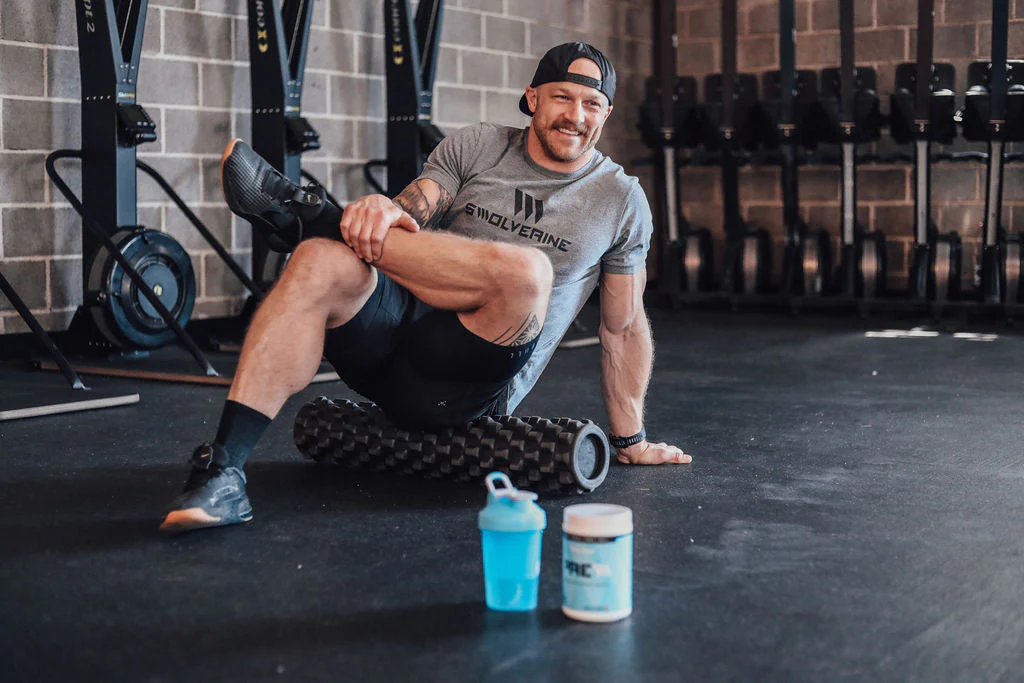

Physical performance is defined not only by the intensity of a training session but also by the efficiency of the subsequent recovery. For athletes and fitness enthusiasts in the United States, the phenomenon known as Delayed Onset Muscle Soreness, or DOMS, is a familiar hurdle. Characterized by stiffness, tenderness, and a reduced range of motion, DOMS typically manifests twenty four to forty eight hours after strenuous or unfamiliar eccentric exercise. While the localized discomfort is a sign of structural adaptation, excessive soreness can impede training frequency and diminish overall athletic output.
In the pursuit of peak physical conditioning, the focus has shifted toward a proactive recovery strategy. This involves the strategic use of dietary supplements designed to mitigate inflammation, repair muscle fibers, and restore metabolic balance. By understanding the biochemical pathways involved in muscle damage, athletes can curate a recovery toolkit that shortens the window between high intensity sessions.
Understanding the Physiology of DOMS
To effectively address muscle soreness, one must first understand its biological origins. Contrary to the outdated belief that lactic acid buildup causes lingering pain, DOMS is actually the result of microscopic tears in the muscle fibers, specifically the sarcomeres. This mechanical damage triggers an inflammatory response as the body works to clear cellular debris and initiate repair.
This inflammatory cascade involves the release of various cytokines and the infiltration of white blood cells into the affected tissue. While this process is essential for muscle hypertrophy and strength gains, the resulting swelling and chemical sensitization of nociceptors lead to the sensation of pain. The goal of supplementation in this context is not to eliminate inflammation entirely, as that would hinder adaptation, but rather to manage it so the body can recover without unnecessary downtime.
The Foundation of Repair Amino Acids and Protein
Protein is the most fundamental component of the recovery toolkit. Muscle protein synthesis is the process by which the body repairs the structural damage caused by resistance training.
Branched Chain Amino Acids
Leucine, isoleucine, and valine are the three branched chain amino acids that play a disproportionate role in muscle recovery. Leucine, in particular, acts as a molecular switch for the mTOR pathway, which signals the body to begin building and repairing muscle tissue. Supplementing with these amino acids, especially when consumed shortly before or during a workout, can reduce the extent of muscle protein breakdown, thereby lessening the severity of subsequent DOMS.
Creatine Monohydrate
While primarily known for its role in energy production and explosive power, creatine monohydrate is a potent recovery aid. By increasing the available phosphocreatine stores in the muscle, it allows for higher work capacity. Furthermore, recent studies suggest that creatine may reduce muscle cell damage and inflammation following exhaustive exercise. Its ability to draw water into the muscle cells also creates a more favorable environment for cellular repair.
Micronutrients and Mineral Support
Intense physical exertion depletes the body of essential minerals that are vital for muscle relaxation and cellular signaling. Replenishing these micronutrients is a crucial step in preventing chronic stiffness.
Magnesium Glycinate
Magnesium is a mineral involved in over three hundred biochemical reactions, including protein synthesis and muscle function. It acts as a natural calcium blocker, helping muscles to relax after contraction. A deficiency in magnesium can lead to persistent cramping and intensified muscle soreness. The glycinate form is often preferred by athletes because it has high bioavailability and is less likely to cause digestive distress compared to other forms.
Vitamin D3 and Omega 3 Fatty Acids
Systemic inflammation is a primary driver of the pain associated with DOMS. Omega 3 fatty acids, typically sourced from fish oil, are renowned for their anti inflammatory properties. They incorporate themselves into the cell membranes, making the cells more resilient to stress. Similarly, Vitamin D3 plays a critical role in immune regulation and muscle protein turnover. Low levels of Vitamin D are frequently linked to increased muscle weakness and prolonged recovery times in athletes.
Botanical Extracts and Antioxidants
Nature provides several potent compounds that can blunt the oxidative stress generated during intense exercise. These botanical agents offer a way to manage the chemical aspect of DOMS.
-
Tart Cherry Juice: This has become a staple in many professional sports locker rooms. It is rich in anthocyanins, which are powerful antioxidants that specifically target the inflammatory pathways involved in muscle pain. Athletes who consume tart cherry concentrate before and after heavy training often report significantly lower levels of soreness and a faster return of muscle strength.
-
Curcumin: The active compound in turmeric, curcumin is a bioactive substance that fights inflammation at the molecular level. It inhibits the activity of NF-kB, a protein complex that plays a central role in the body’s inflammatory response. Because curcumin is traditionally difficult for the body to absorb, many athletes use formulations that include piperine or liposomal delivery systems to enhance effectiveness.
-
Ashwagandha: As an adaptogenic herb, ashwagandha helps the body manage the stress of overreaching. It has been shown to reduce cortisol levels, which can otherwise stay elevated after hard training and interfere with the repair process. By modulating the stress response, ashwagandha supports a more efficient recovery environment.
The Role of Hydration and Electrolytes
No supplement can overcome the negative effects of dehydration. Water is the medium through which nutrients are transported to the muscles and metabolic waste is removed. When an athlete is dehydrated, the blood becomes more viscous, slowing down the delivery of amino acids and minerals to the damaged tissues.
Electrolytes such as sodium, potassium, and chloride must be maintained in precise ratios to ensure proper nerve conduction and muscle contraction. Supplementing with an electrolyte complex during and after training helps maintain the osmotic pressure of cells, preventing the intracellular swelling that can exacerbate the pain of DOMS.
Strategic Timing for Maximum Efficacy
The effectiveness of the recovery toolkit is often dependent on timing. The peri workout window, which includes the time immediately before, during, and after exercise, is when the body is most primed for nutrient uptake. Consuming a blend of fast digesting protein and carbohydrates post workout replenishes glycogen and halts muscle catabolism. However, antioxidants like Vitamin C and E should be used with caution immediately after training; some research suggests that high doses of these antioxidants at that specific time may actually blunt the beneficial adaptations the body makes to exercise.
Frequently Asked Questions
Can supplements completely prevent DOMS after a high intensity workout?
Supplements cannot completely eliminate the occurrence of DOMS, especially if the training involves new movements or significant increases in volume. The goal of a recovery toolkit is to reduce the severity of the soreness and shorten the time it takes for the athlete to return to full performance capacity. Some level of soreness is an expected part of the adaptive process.
Is it safe to take anti inflammatory supplements like curcumin every day?
For most healthy individuals, curcumin and omega 3 fatty acids are safe for daily use and provide cumulative benefits. However, because they can have blood thinning effects, it is important for athletes to consult with a healthcare professional, especially if they are taking other medications or preparing for a surgical procedure.
How does caffeine impact muscle recovery and soreness?
Caffeine is a well known ergogenic aid that can improve performance, but it also has interesting effects on recovery. Some studies have shown that caffeine consumption prior to exercise can actually reduce the perception of DOMS in the following days. However, caffeine should be balanced with proper hydration, as its diuretic effect could potentially hinder recovery if water intake is insufficient.
Does collagen supplementation help with muscle soreness?
While collagen is excellent for connective tissues like tendons and ligaments, it is not a complete protein and lacks the leucine content necessary to effectively trigger muscle protein synthesis. For muscle recovery, whey or plant based complete proteins are superior. However, collagen can be a valuable part of the toolkit for athletes concerned with joint integrity and preventing overuse injuries.
Why is sleep often mentioned alongside supplements for recovery?
Sleep is the most important physiological state for recovery. While supplements provide the building blocks, the actual repair work is carried out by the endocrine system during deep sleep. Without adequate sleep, the body cannot effectively utilize the nutrients provided through supplementation, leading to a state of chronic under recovery and increased injury risk.
What is the difference between taking a multivitamin and specific recovery supplements?
A standard multivitamin provides a broad spectrum of nutrients to prevent general deficiencies. Recovery supplements are targeted, high dose interventions designed to address the specific physiological demands of intense physical stress. For an athlete, a targeted approach is often more effective than a generic multivitamin for managing exercise induced inflammation and tissue repair.
Should recovery supplements be used on rest days?
Yes. Muscle repair is a process that continues for several days after a workout. Maintaining consistent levels of protein, magnesium, and anti inflammatory compounds on rest days ensures that the body has a constant supply of the materials it needs to complete the remodeling of the muscle tissue.
Comments are closed.