
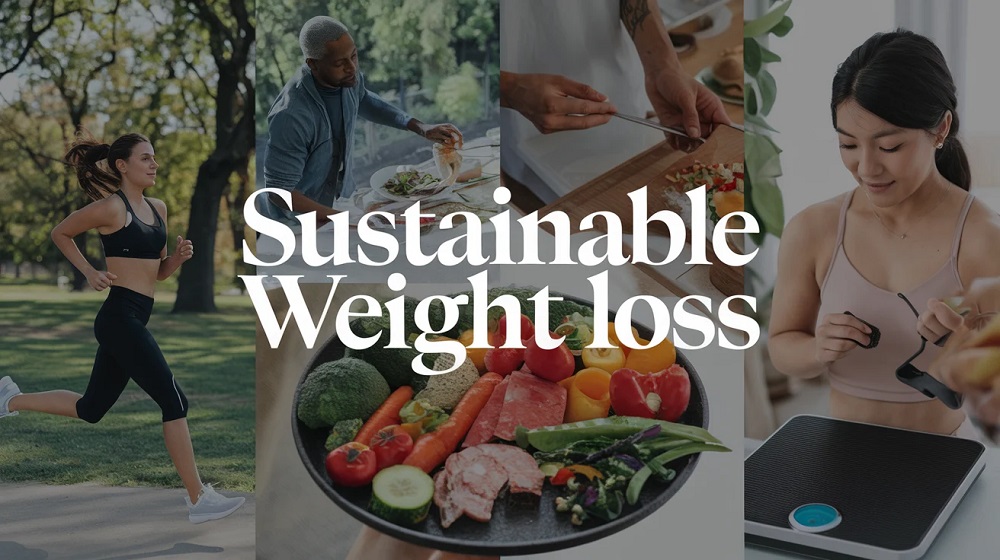
Sustainable Weight Loss for the Busy Professional: Strategies for High-Stress Lifestyles

For the modern high-achieving professional, the pursuit of career excellence often comes at a steep physiological cost. Long hours, back-to-back meetings, frequent travel, and the unrelenting pressure of deadlines create an environment where health is frequently sidelined. In this high-stress ecosystem, weight gain is rarely a matter of simple overindulgence; rather, it is the result of a complex interplay between hormonal disruptions, sleep deprivation, and a lack of structured routine. Traditional weight loss advice—often centered on time-intensive meal prep and hours at the gym—frequently fails this demographic because it does not account for the scarcity of time and the abundance of stress.
Achieving sustainable weight loss in a corporate or high-stakes environment requires a shift from “effort-based” dieting to “system-based” lifestyle integration. To see long-term results, the busy professional must leverage the same strategic thinking used in the boardroom: efficiency, optimization, and the management of high-impact variables. This article outlines a comprehensive framework for losing weight while maintaining professional peak performance.
The Hormonal Impact of High-Stress Careers
To understand why weight loss is difficult for professionals, one must first look at the endocrine system. When the body is under chronic stress, the adrenal glands release cortisol. In an ancestral context, cortisol prepared the body for physical action. In a modern office setting, however, that surge of energy has no physical outlet.
Elevated cortisol levels lead to several metabolic consequences. It increases appetite, particularly for high-calorie “comfort foods,” and encourages the body to store fat around the abdominal region—often referred to as visceral fat. Furthermore, chronic stress can lead to insulin resistance, making it harder for the body to process carbohydrates efficiently. Sustainable weight loss for professionals must begin with stress management and cortisol regulation, rather than just caloric restriction.
Precision Nutrition: The Minimal Effective Dose
Busy professionals often fall into the trap of “all-or-nothing” thinking. They are either on a strict, restrictive diet or they are eating whatever is available during a working lunch. Sustainable progress is found in the middle ground, focusing on the quality of intake and the timing of meals.
Prioritizing Protein for Satiety and Muscle Retention
Protein is the most critical macronutrient for the busy professional. It has a high thermic effect, meaning the body burns more energy digesting it compared to fats or carbohydrates. More importantly, protein is highly satiating. By ensuring that every meal—including airport snacks or catered lunches—is centered around a lean protein source, a professional can naturally regulate their calorie intake without the need for meticulous tracking.
The Strategy of Decision Fatigue Reduction
Decision fatigue is a real phenomenon where the quality of choices deteriorates after a long day of making complex professional decisions. By the time dinner arrives, willpower is often depleted. The solution is to automate as much of the nutritional process as possible. This can include:
-
Uniform Breakfasts: Eating the same nutrient-dense breakfast every day to remove one decision from the morning routine.
-
High-Quality Meal Delivery: Utilizing services that provide macro-balanced, chef-prepared meals to ensure a healthy dinner is always the path of least resistance.
-
The “Rule of One” for Dining Out: When at business dinners, commit to one drink, one main course (protein and vegetable-focused), and no bread basket.
Movement as a Performance Enhancer, Not a Chore
The idea that one must spend ninety minutes in the gym to lose weight is a significant barrier for those with eighty-hour work weeks. For the busy professional, exercise should be viewed through the lens of High-Intensity Interval Training (HIIT) and Non-Exercise Activity Thermogenesis (NEAT).
The Power of Micro-Workouts
Research indicates that short bursts of intense activity can be just as effective for metabolic health as longer, moderate sessions. A twenty-minute HIIT session in the morning or a heavy lifting session twice a week can provide the necessary stimulus to maintain muscle mass and boost metabolism. These sessions can be integrated into the schedule like any other high-priority meeting.
Maximizing NEAT in the Workplace
NEAT refers to the energy expended during everything we do that is not sleeping, eating, or sports-like exercise. This includes walking to meetings, standing while on a call, or even fidgeting. For a sedentary professional, increasing NEAT is the most efficient way to increase total daily energy expenditure. Using a standing desk, taking “walking meetings,” and opting for stairs over elevators are small habits that, when compounded over a year, can account for a significant portion of weight loss.
The Sleep-Metabolism Connection
Perhaps the most overlooked variable in professional weight loss is sleep. Sleep deprivation is often worn as a badge of honor in high-pressure industries, but it is a primary driver of obesity. Lack of sleep disrupts two key hormones: ghrelin (which signals hunger) and leptin (which signals fullness).
A sleep-deprived brain is biologically wired to seek out quick energy in the form of sugar and refined carbohydrates. Furthermore, poor sleep reduces growth hormone production and increases muscle wasting. A professional who prioritizes seven hours of quality sleep will find that their cravings diminish and their cognitive clarity increases, making it far easier to adhere to a nutritional plan.
Navigating Travel and Corporate Entertaining
Business travel is often where weight loss goals go to die. Between hotel buffets, airport lounges, and client dinners, the environment is designed for overconsumption. However, with a tactical approach, travel can be managed effectively.
-
Hydration as a Defense Mechanism: Dehydration is often mistaken for hunger. Drinking significant amounts of water during flights and before meals can prevent overeating.
-
The Hotel Gym Audit: Before booking, select hotels based on their fitness facilities. If no gym is available, a set of resistance bands in a carry-on provides a zero-excuse workout option in the room.
-
Smart Selection at the Lounge: Instead of the pastries or processed snacks, look for hard-boiled eggs, nuts, or fruit.
Conclusion: Consistency Over Intensity
For the busy professional, the goal should not be the fastest weight loss possible, but the most sustainable. Intensity is easy to maintain for a week; consistency is what builds a lifestyle. By viewing health as a prerequisite for professional success rather than a distraction from it, the high-achiever can integrate these strategies into their existing routine.
Sustainable weight loss is the result of managing stress, automating nutrition, maximizing movement efficiency, and prioritizing recovery. When these systems are in place, the body naturally moves toward its optimal weight, providing the energy and mental acuity required to excel in a high-stakes career.
Frequently Asked Questions
How can I manage weight loss when I have no control over my lunch options?
When lunches are catered or provided at meetings, focus on the “Buffet Strategy.” Fill half your plate with the highest-fiber vegetables available and the other half with the cleanest protein. Avoid the starches and dressings, which are usually the source of hidden calories. If all else fails, practice portion control by eating only until you are no longer hungry, rather than until you are full.
Is intermittent fasting a good idea for a high-stress job?
Intermittent fasting can be effective because it simplifies the day by removing one or two meals. However, for some individuals, long periods of fasting can further increase cortisol. If you find that fasting makes you irritable or “brain-fogged” during critical morning meetings, a small, high-protein breakfast might be a better choice for your professional performance.
What are the best snacks to keep in an office desk?
The best snacks are those that are shelf-stable but high in satiety. Raw almonds, individual packs of jerky (low sugar), and protein powder are excellent options. Avoid “energy bars” that are often just candy bars with added protein; these can cause insulin spikes that lead to a mid-afternoon energy crash.
How does caffeine affect weight loss for professionals?
Caffeine can be a double-edged sword. While it can slightly boost metabolism and suppress appetite, over-reliance on caffeine—especially late in the day—can ruin sleep quality and spike cortisol. Try to limit caffeine to the morning hours and avoid adding sugars or heavy creams, which turn a zero-calorie stimulant into a high-calorie dessert.
Can I still see results if I can only workout twice a week?
Yes. Two sessions of heavy resistance training per week are sufficient to maintain and even build muscle mass, provided the intensity is high. Focus on compound movements like squats, deadlifts, and presses, which recruit the most muscle fibers and provide the greatest metabolic “afterburn.”
How do I handle the pressure to drink alcohol at social networking events?
Alcohol is a “triple threat” to weight loss: it is calorically dense, it lowers inhibitions regarding food choices, and it destroys sleep quality. If you must drink for social reasons, stick to clear spirits with soda water and lime, and alternate every alcoholic drink with a glass of water. Often, simply having a glass of sparkling water with lime in your hand is enough to avoid the “Why aren’t you drinking?” questions.
What is the most important metric to track besides the scale?
For the busy professional, the scale can be misleading due to stress-related water retention. A more valuable metric is “waist circumference” or “body composition.” Additionally, track your “energy levels” and “sleep quality.” If these are improving, your metabolism is likely moving in the right direction, even if the scale hasn’t moved yet.
Comments are closed.