
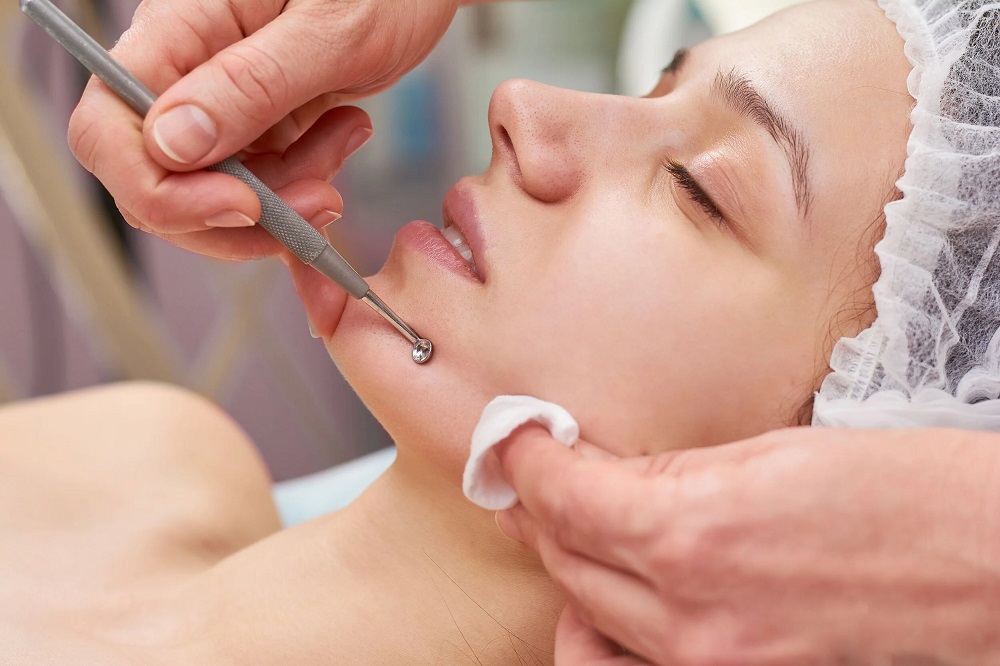

Acne is a multifaceted skin condition that affects millions of Americans, spanning from adolescence well into adulthood. While the market is flooded with topical creams, oral medications, and DIY remedies, one of the most effective yet misunderstood interventions is the professional extraction. Performed by a licensed esthetician or dermatologist, a professional extraction is the process of clearing a compacted or obstructed pore using specialized tools and sterile techniques. In the context of long-term acne management, these procedures serve as a critical bridge between daily home care and clinical dermatology, offering a controlled way to remove impactions before they evolve into painful, inflammatory lesions.
The primary goal of professional extraction is not merely to clear a single blemish, but to manage the lifecycle of acne by addressing its earliest stages. By removing comedones—commonly known as blackheads and whiteheads—in a clinical setting, professionals can significantly reduce the likelihood of scarring and post-inflammatory hyperpigmentation that often results from improper at-home squeezing.
The Biological Mechanism of Pore Congestion
To understand why professional intervention is necessary, one must understand how a blemish forms. The process begins deep within the pilosebaceous unit, which consists of a hair follicle and a sebaceous gland. In individuals prone to acne, a process called retention hyperkeratosis occurs, where dead skin cells do not shed properly and instead stick together within the pore.
When these dead cells mix with excess sebum, they form a plug known as a microcomedone. If the pore remains closed, it is a whitehead (closed comedone). If it opens to the surface and oxidizes, it becomes a blackhead (open comedone). Professional extractions target these non-inflammatory lesions. By manually removing the blockage, the esthetician prevents the buildup of pressure and the proliferation of C. acnes bacteria, which thrive in oxygen-depleted, oil-rich environments.
Why Professional Techniques Outperform Home Extraction
The impulse to “pop” a blemish at home is a major contributor to long-term skin damage. The difference between a home extraction and a professional one lies in the angle of pressure, the preparation of the skin, and the sterility of the environment.
Preparation and Softening of the Sebum
A professional begins by softening the “plug” within the pore. This is usually achieved through a combination of steam, enzyme exfoliants, and desincrustation lotions. These methods use alkaline solutions or gentle heat to liquefy the fats and oils within the pore, making the extraction far less traumatic to the surrounding tissue. Attempting to squeeze a dry, hardened impaction at home often results in the follicular wall rupturing downward into the dermis rather than upward out of the pore.
Controlled Pressure and Tools
Estheticians use specialized tools, such as the Schamberg extractor or sterile lancets, to apply precise, downward pressure around the perimeter of the impaction. They are trained to recognize the “limit” of the skin; if a lesion does not release with gentle pressure, a professional will stop to avoid bruising. At home, individuals often apply excessive, uneven pressure with their fingernails, which tears the epidermis and leads to permanent scarring.
Integrating Extractions into a Long Term Acne Strategy
Professional extractions are most effective when viewed as a maintenance tool rather than a one-time cure. For those struggling with chronic congestion, regular sessions—typically every four to six weeks—can keep the skin in a state of “clearance” that topical products alone may struggle to achieve.
Synergizing with Topical Retinoids
Many patients using prescription retinoids like tretinoin or adapalene experience a period of purging where deep-seated clogs move to the surface. During this phase, professional extractions can be invaluable. By safely removing the emerging debris, the esthetician can shorten the duration of the purge and prevent the inflammatory breakouts that often cause patients to discontinue their medication.
Preventing Post-Inflammatory Hyperpigmentation (PIH)
PIH is the dark spotting that remains after an acne lesion heals. It is often more distressing to the patient than the acne itself. PIH is triggered by inflammation and trauma. Because professional extractions minimize trauma to the skin, they drastically reduce the risk of these long-lasting dark marks. For patients with deeper skin tones, who are more prone to melanocyte activity following an injury, the clinical precision of a professional extraction is essential for maintaining an even skin tone.
The Risks of Improper Extraction and Safety Protocols
While highly beneficial, extractions are not appropriate for all types of acne. A critical part of a professional’s role is knowing when to refrain from the procedure.
-
Inflammatory Cysts and Nodules: These deep, painful bumps should never be extracted manually. Attempting to do so can push the infection deeper into the bloodstream or cause a severe localized infection. Professionals typically treat these with high-frequency currents or refer the client to a dermatologist for a cortisone injection.
-
Sterility and Post-Care: After an extraction, the pore remains open and vulnerable. Professionals use antiseptic steps, such as a high-frequency glass electrode or a targeted salicylic acid application, to kill bacteria and close the pore. Without these steps, an extraction can easily turn into a new infection.
The Psychological Impact of Clear Skin
The benefits of professional extractions extend beyond the physical. Acne is a condition that carries a significant psychological burden, often affecting self-esteem and social interactions. The immediate visible improvement following a professional cleaning provides a “win” for the patient, which encourages them to stay compliant with their long-term home care routine. Knowing that a professional is managing the physical clearing of the skin allows the patient to resist the urge to pick at their face, breaking the cycle of self-inflicted skin damage.
Frequently Asked Questions
Does a professional extraction hurt?
There is a level of discomfort involved, often described as a brief, sharp pinch or pressure. However, because the skin is properly prepped with steam and softening agents, the sensation is significantly less painful than attempting to squeeze a blemish at home. A skilled professional will work within the client’s comfort level.
How long does the redness last after a session?
Mild redness is normal and typically subsides within two to twenty-four hours. High-quality clinics will apply soothing masks or LED light therapy following the extractions to speed up the calming of the skin. Most clients find they can return to their normal social activities the following day.
Can extractions make my pores larger over time?
Quite the opposite is true. When a pore is chronically clogged with a large impaction, the surrounding collagen can become stretched out. If the blockage is left for a long period, the pore may lose its ability to “snap back” into place. Regularly removing these clogs through professional extractions helps maintain the structural integrity of the pore.
Is it safe to get extractions while on Accutane?
Generally, extractions are avoided while a patient is on isotretinoin (Accutane). The medication makes the skin extremely fragile and significantly slows down the healing process. Most professionals recommend waiting at least six months after completing an Accutane course before resuming manual extractions.
How many extractions can be done in a single session?
There is no set number, as it depends on the skin’s tolerance and the technician’s judgment. However, a professional will rarely attempt to clear a face full of hundreds of blackheads in one go. Doing so would cause too much inflammation. Instead, they will clear the most “ready” lesions and schedule follow-up appointments to clear the rest gradually.
What should I do for my skin immediately after a professional extraction?
The most important post-care step is to avoid touching the face. You should also skip the gym or sauna for twenty-four hours to avoid sweat irritating the open pores. Most estheticians recommend a very simple routine of a gentle cleanser and a basic moisturizer for the first night, avoiding any strong acids or retinols until the following day.
Are there any skin types that should avoid extractions entirely?
Patients with extremely sensitive skin, active rosacea, or thin, compromised barriers may not be good candidates for manual extractions. In these cases, the pressure required to clear a pore could cause broken capillaries or excessive irritation. A professional will instead focus on gentle chemical exfoliation to clear the skin over a longer period.
Comments are closed.