

Key Takeaways
Donating blood plasma is not just about saving lives; it offers plenty of personal benefits, like enhanced mental well-being thanks to the endorphins released through altruistic acts.
Your self-esteem can get a nice boost from plasma donation, as each donation leaves you feeling accomplished and helpful.
Compensation for plasma donations can range from $20 to $70 per visit. That means you’re earning while also making a difference.
Just one donation can create a ripple effect, potentially aiding several patients and supporting essential medical treatments.
Healthy individuals are encouraged to participate in plasma donation since their contributions are crucial for maintaining necessary supplies for those in need.
The donation process isn’t demanding; it’s usually quick, lasting around 45 to 60 minutes, which makes it pretty manageable for most people.
Don’t forget about post-donation care! Staying hydrated and taking it easy helps your body recover after giving plasma.
What’s in It for You? The Unexpected Perks of Plasma Donation
When folks think of blood plasma donating, they often see it as solely a charitable act. But, believe it or not, there’s a lot more to it. You’re not just helping others; you’re also reaping benefits yourself. Honestly, who wouldn’t appreciate a little extra something just for being generous?
How Plasma Donation Boosts Your Mental Well-Being
Let’s kick things off with that mental boost. Ever walked out of a donation center feeling on top of the world? That’s no coincidence! It’s that rush of endorphins. Just knowing you’ve made a difference can really lift your spirits. Giving back carries emotional rewards. I still remember my first time donating; the happiness I felt was through the roof! Seriously, it brightened my whole week!
Research suggests there’s a notable connection between altruism and enhanced mental well-being. It’s like a cycle; you donate, feel great, and want to do it again. But, let’s not sugarcoat things: you might face feelings like guilt and compassion at times. It prompts you to reflect deeply while you’re at the donation center.
- Improved mood and overall happiness
- A stronger sense of community connection
- A persistent reminder of your ability to make a difference
Here’s a gem of wisdom not many discuss: donating plasma can seriously boost your self-esteem. Who knew such a simple act could transform your own self-image? I can say, every time I head out after a donation, I feel like I’ve just accomplished something major.
Financial Rewards: More Than Just a Good Deed
Now, let’s cut to the chase—money! Sure, the warm fuzzy feeling from altruism is great, but isn’t it awesome to know you can earn some cash for your time? Numerous plasma centers offer compensation for donations, often through prepaid cards. I’ve snagged a few bucks here and there, and trust me, it feels like an excellent deal for just a day’s worth of time.
You might be shocked at how much you can earn. Compensation varies, but there was one time I left a center with $50 after just one visit. That’s no small change! Plasma centers usually compensate between $20 and $70 per donation. It’s not just pocket change; it could help with groceries, bills, or even that spontaneous weekend trip.
- Many centers have generous compensation rates
- Regular donations can lead to significant extra income
- Rates can be competitive among different plasma donation centers
But don’t get it twisted—it’s not only about the cash. Yet, let’s be honest: who doesn’t appreciate a little financial motivation? Knowing I’m both financially contributing and saving lives? It feels like a win-win.
Making a Difference: The Ripple Effect of Your Donation
Let’s crunch some numbers for a second. Just one plasma donation can assist several patients. Your single act can save lives. Is that incredible or what? Sometimes I ponder over who’s on the receiving end. Are they battling a severe illness? Recovering from surgery? Knowing you’re a part of someone’s recovery journey? That hits home.
The ripple effect stretches far beyond one person. Think about it: a single vial can aid treatment for a multitude of conditions, from immunodeficiency diseases to burn victims. These are life-altering changes, and it all starts with you. You might never meet those you’re helping, yet you’re contributing to something far more significant than yourself.
Your donation doesn’t only treat one individual; it creates a chain of benefits that extends far beyond.
When you truly consider this ripple effect, blood plasma donating becomes monumental. You’re not simply giving plasma; you’re joining a larger fight against diseases, and that’s a powerful thought.
Debunking Myths: The Truth About Plasma Donation
There are so many myths floating around about plasma donation. Every good thing seems to come with its fair share of misconceptions. And, let’s be real, some of them are just plain silly. It’s crucial to sift through the noise and get to the heart of the matter. Here’s some wisdom I’ve picked up along the way.
I’m Healthy – Why Should I Donate?
Ah yes, the classic excuse. Just because you’re healthy doesn’t mean you shouldn’t donate! In fact, your well-being is a key player in this donation cycle. You’ve got a responsibility—to help keep this cycle thriving, ensuring that those who really need plasma can access it. So, ignoring the need just because you’re fit? That’s not fair, folks.
Here’s a twist: your plasma is highly sought after, especially for people undergoing medical treatments or trials. If those who are eligible donated, just think how many lives we could touch. So, your health isn’t just a personal win; it’s also a significant contribution to your community.
Plasma Donation: Painful or Painless? Let’s Settle That
Oh, the dreaded fear of needles—who enjoys that? But let’s be honest for a second. Donating plasma isn’t an agonizing experience. Sure, there’s a little prick, and you might sense a slight pinch, but the whole process is quick, and for most people, the discomfort is pretty minimal. I’ve certainly endured worse experiences at the dentist!
From my chats with others and personal experiences, it seems like the anticipation often feels worse than the reality. You can always distract yourself with a good conversation or some music. It’s not a luxury spa day, but it’s definitely not a horror flick either.
- Most people rate their comfort level higher than they expected
- Distractions can significantly ease the experience
- The health benefits far outweigh any minor discomfort
The Frequency of Donations: What You Need to Know
Now, how often can you actually donate? It can get a bit confusing. On average, you can donate plasma once every 28 days. Some might feel this is a heavy commitment, thinking it’s too frequent. The reality is, with a bit of planning, you can easily incorporate it into your schedule.
Many plasma centers appreciate regular donors—it’s almost like earning VIP status! Some offer extra perks for those who donate often as an incentive. But even if you can’t donate all the time, each visit makes a difference. It’s about quality, not quantity.
The impact of one plasma donation can stretch for miles, influencing life-saving treatments across the globe.
It’s like being part of a connected community. Strive to be among those who show up consistently! Believe me, it evolves into a habit that feels rewarding and builds important ties.
The Science Behind Plasma: Why Your Contribution Matters
Many people don’t fully appreciate what plasma is or why it’s so vital. To some, it’s just a red liquid. But for us who know the facts, it’s brimming with proteins, clotting factors, and immunoglobulins, all of which help combat infections. And here’s the thing: this stuff can literally save lives!
What Happens to Your Plasma After Donation?
Ever wondered where your plasma goes after you donate? It’s not just tossed around carelessly. When you donate, it’s carefully collected and processed. Your plasma is screened for any diseases and then separated into its components. Most importantly, it gets ready for the patients who need it urgently.
From hospitals to research labs—every single drop serves a purpose. Each vial can transform into multiple life-saving products, such as clotting factors for hemophiliacs or albumin for patients recovering from severe burns. Your contribution literally fuels the battle against illness.
- The journey from donation to treatment is systematic
- Strict protocols ensure recipients’ safety
- Life-saving medications emerge from plasma donations
I learned all this during enlightening volunteer shifts at my local center. Every visit cemented just how valuable every donation truly is. It can’t be overstated: you’re not just giving fluids; you’re providing a lifeline.
Understanding the Vital Role of Plasma in Medicine
We wouldn’t have the same medical advances without plasma. Seriously, take a moment to ponder this. Can you imagine a realm without the therapies made possible through plasma? These therapies are essential for burn victims, autoimmune disease patients, and those in need of surgeries—they all heavily rely on plasma-derived products.
Plasma is often harnessed to tackle various health issues. I’ve spoken with patients who genuinely count on these treatments for survival, and that’s when it really resonates. It’s not just liquid; it’s a dynamic, therapeutic solution.
- Immunoglobulins support the fight against infections
- Clotting factors help prevent bleeding in patients
- Albumin is key for stabilizing blood pressure
Can Plasma Donation Impact Your Own Health?
So, what are the perks for me? Absolutely! I’ve experienced several personal benefits—both physical and mental. Some studies even imply that donating plasma could lower blood pressure and enhance heart health. But for me, the most significant perk? Just the joy of knowing I’m engaging in something meaningful.
Any minor side effects, like feeling fatigued or a bit lightheaded, usually fade quickly. I’ve learned to take care of myself during these times by staying hydrated and enjoying a solid meal afterward. The body can replenish plasma relatively fast, so that worry is minimal!
I’ve noticed a surprisingly positive boost to both my physical and emotional state post-donation.
In conclusion, I genuinely believe donating can be an enriching experience on multiple fronts. After all, who doesn’t want to contribute to their own health while also saving lives?
Join the Plasma Heroes: Steps to Start Your Donation Journey
Feeling convinced? Awesome! But you might wonder how to hop on this fantastic journey. Getting started can seem intimidating, but trust me—it’s simpler than you think. Here’s my go-to guide for rolling up those sleeves and becoming a plasma hero.
Finding Your Local Plasma Donation Center: A Quick Guide
Kick things off with a fast online search. I can assure you there’s a center nearby. If there’s one thing I’ve learned, it’s that plasma centers are popping up all over. Use terms like “plasma donation near me” or “local plasma collection center.” Most locations have clear instructions on their websites.
Be sure to check the hours and eligibility requirements before you head out. And while you’re at it, look up reviews about the experience; positive feedback can definitely ease any worries you might have about the donation process.
- Search using local terms
- Read reviews for insights on personal experiences
- Know the center’s hours and eligibility criteria
Once you find a center, go ahead and schedule your appointment. Arriving early works well, letting you take care of any paperwork without feeling rushed. It’s a small step that significantly reduces stress throughout the day.
What to Expect During Your First Donation Visit
Your first donation could feel a bit daunting—I totally get that. Expect a quick health screening and wellness check because let’s be real, you need to be in good health to donate. They’ll assess your blood pressure, pulse, and hemoglobin levels. I felt a bit anxious during my first visit, but the staff is so friendly and supportive—they’re genuinely there to help.
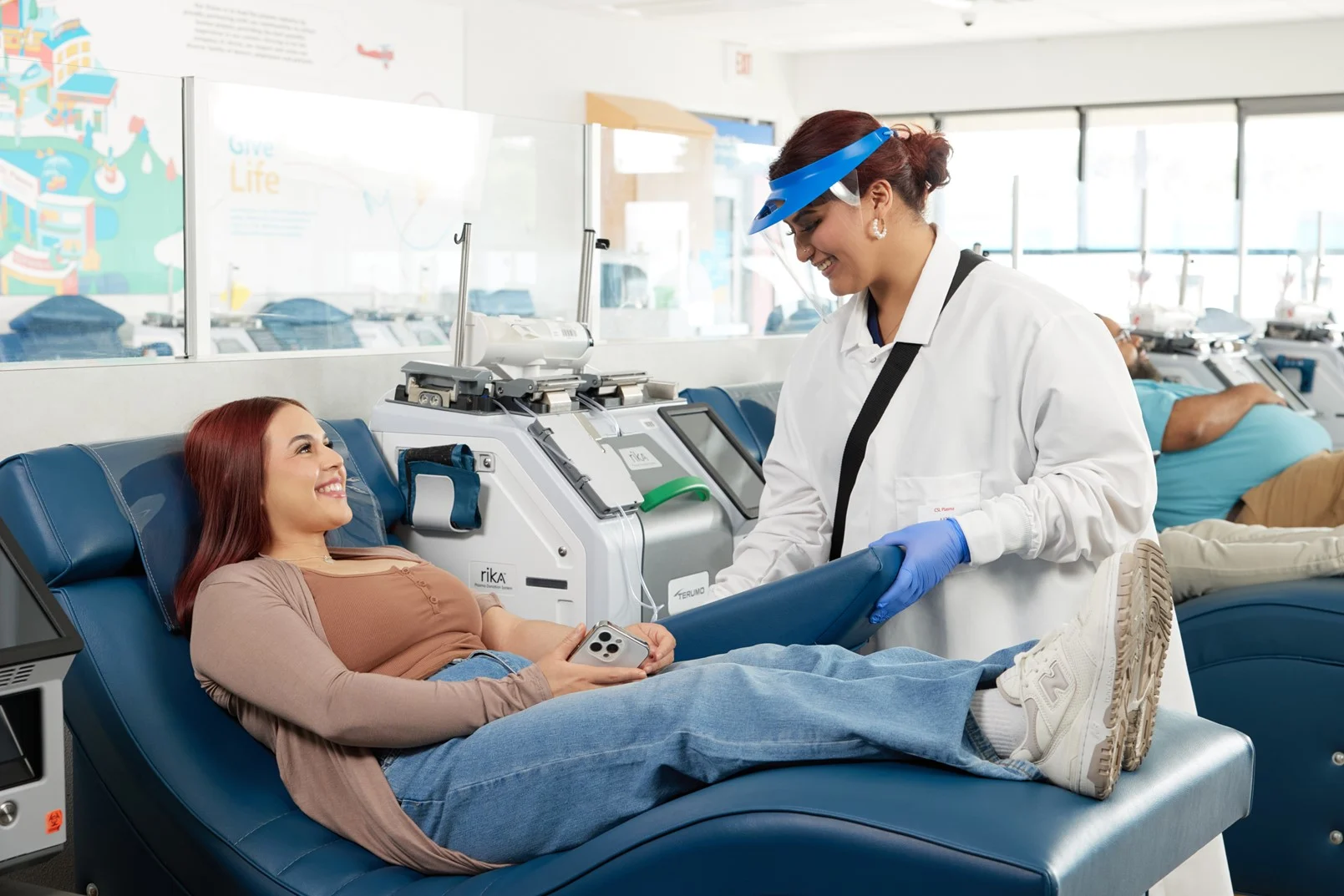
The actual donation spans about 45 minutes to an hour. You’ll be seated comfortably while they collect the plasma. Bring something to keep your mind occupied! Maybe a book or your phone—whatever helps keep you distracted. The staff will be there to guide you through the whole process and encourage some light conversation.
- Health screening occurs before donation
- Donation lasts between 45-60 minutes
- Don’t forget to bring something entertaining
Aftercare: How to Keep Yourself Healthy Post-Donation
Once your donation is done, the real care begins. Your body just went through a small ordeal, so it’s essential to hydrate! Drink plenty of fluids, especially in the hours right after your donation. This step is vital; it helps your body replenish plasma quickly. It’s also how you can avoid feeling worn out later.
And don’t forget to rest a bit afterward. I usually take it easy for the afternoon after donating. It feels good to prioritize self-care and help our bodies recover. Listen to your body—it knows what it needs!
- Stay hydrated post-donation
- Rest to support your physical recovery
- Avoid lifting heavy objects for a day
The next time you’re considering donating plasma, just think about the impact you’re making—not just on others, but on yourself too. Be a health champion in your community, and tap into the rewards. Because ultimately, blood plasma donating can unlock a treasure chest of benefits you never anticipated.
FAQ
How Safe Is Plasma Donation?
Plasma donation is typically safe for healthy individuals. Donation centers adhere to strict protocols to ensure cleanliness and safety, so you don’t need to worry too much about the risks involved. It’s just a routine medical procedure, not a risky endeavor.
Can Anyone Donate Plasma?
Not just anyone can jump in and donate. Most centers have specific eligibility guidelines, like age, weight, and health status. It’s critical to check these ahead of time; your health is paramount, and they want to make sure you’re good to go.
What Should I Do Before Donating Plasma?
Preparation is essential! Start hydrating well the day before and on the day of your donation. Eating a nutritious meal is also vital—think protein and iron; your body will thank you!
Are There Long-Term Effects from Frequent Donations?
Regular donations may lead to occasional fatigue, but most people bounce back quickly. Negative long-term effects are rare, particularly if you maintain a healthy lifestyle. Still, keep an ear tuned to your body—it’s adept at giving you signals when something’s off.
Can Donating Plasma Help With Weight Loss?
While you won’t lose weight directly from donating plasma, it can be part of a broader healthy lifestyle. Think of it like this: it adds a feel-good benefit to your health routine. Plus, the cash you earn could help you fund that gym membership!
What Key Differences Are There Between Plasma and Blood Donation?
Blood donation involves collecting whole blood, which is then divided into components. Plasma donation, however, centers exclusively around the liquid part, which is protein-rich. Each has its purpose, but plasma plays a crucial role in therapies not created from whole blood.
Is It Possible to Donate Plasma if I Have a Health Condition?
That depends on your specific condition. Certain health issues can disqualify you from donating, while others may not have any impact. The best course of action is to consult with your doctor or the donation center to sort out your situation.
How Long After I Donate Can I Donate Again?
Generally, you can donate plasma every 28 days. If you’re planning on making it a regular commitment, just ensure you allow your body sufficient time to recover and replenish. Each person’s recovery time can vary, so pay attention to how you’re feeling!
Useful Resources
- American Red Cross– Comprehensive information on blood and plasma donation, including safety and eligibility guidelines.
- Plasma Alliance– A network dedicated to providing resources and information regarding plasma donation and available centers.
- America’s Blood Centers– Insight on the significance of blood and plasma donation, plus local center details.
- Donate Plasma– A resource aimed at educating potential donors about plasma donation and its many benefits.
- Mayo Clinic– A trustworthy source for health information and guidelines concerning plasma donation and overall health considerations.
- Centers for Disease Control and Prevention (CDC)– Information regarding health, safety, and guidelines related to blood and plasma donation.
- Bloodcare– Offers information related to blood donation, helping potential donors to understand the process and benefits.
- National Plasma Donation Association– Focuses on promoting plasma donations and educating donors about the significant impact of their contributions.
Comments are closed.